



Intent
The Future is Now
Our Personal Development curriculum extends beyond our taught curriculum offer and gives pupils opportunities to experience a broad range of views, ideas and interests which supports them to develop and prepare them for life beyond Westbury Academy.
Through our five domains of Personal Development (Careers and Employability, Wellbeing and Community, Equality and Diversity, Cultural Development, Character and Values), we have embedded Personal Development throughout every aspect of Westbury’s whole school-life, and the decisions we make to enrich pupils’ experience and broaden their sense of identity in their community and the wider world.
Benefits for our pupils
Personal Development can tackle barriers to learning, raise aspirations, improve life chances. It can also develop confidence, creative and curious young adults by building their character through challenging topics and themes.
There is evidence to show that it can also address:

Assessment
To become successful and increasingly independent, pupils need regular opportunities to reflect on their progress. This includes recognising what they have learned, identifying areas for further development, and understanding how they can continue to grow.
Given the personal nature of both our pupils and the Personal Development curriculum, it cannot be assessed in the same way as most other subjects. However, it is possible to recognise and evidence progress and attainment in the knowledge, skills, understanding and attributes that Personal Development aims to nurture.
At Westbury Academy, Personal Development takes many forms, and the method of assessment depends on the type of learning experience pupils engage with. For example, within PSHE (Personal, Social, and Health Education) and Careers, pupils are assessed through formative methods, with evidence gathered in floor books. In addition, pupils’ engagement with the Challenge Curriculum is recognised through Challenge Awards, celebrating their achievements and ongoing personal growth.
British Values
Westbury Academy supports democratic values in various ways; both as part of our school curriculum and in an extra-curriculum capacity. For instance, we have an active and purposeful school council that ensures voices from all assessment pathways and phases are represented. Pupils’ views from this forum are valued and have impacted on change within the school, such as the recent order of outdoor play equipment.
At Westbury Academy we have an inclusive behaviour and relationships policy to which pupils are held to accountable with clear adaptations based on individual needs. Our 3 Golden Rules and expectations are promoted consistently across the curriculum and pupils are aware of the logical consequences of falling short of these expectations. Westbury Academy also recognises, through its reward system (such as behaviour point cards), the progress made by individual pupils and the unique barriers they overcome, this progress is also celebrated through weekly phone calls home and phase assemblies.
At Westbury Academy, we believe that all pupils should be given the opportunity to make appropriate personal choices, and we offer the support and guidance to enable them to do so. Pupils have the freedom to participate in a wide range of curricular activities, including Westbury’s Challenge Curriculum and Physical Activity club. As pupils progress through the school, they can move through curriculum pathways which are all designed to prepare them for their next destination. Within our PD and PSHE curriculum, there are opportunities for pupils to participate in discussions and debates during which they are encouraged to consider and express their own individual viewpoints.
Our motto of ‘No Child left Behind’ ensures that we put learning and respect at the heart of everything we do with all pupils. Pupils regularly take part in celebration assemblies that focus on kindness, themed events/days, British Values and celebration of good work awards. We work tirelessly to ensure that bullying is eradicated through support and understanding. All pupils have a designated trusted adult they can turn to in times of need. Westbury Academy takes part in anti-bullying week and runs a wide range of support programmes to ensure all pupils feel safe and valued in school.
Tolerance of those of different faiths and beliefs is central to our school as we work to celebrate the uniqueness nature of every pupil who attends. Cross-curricular activities, local visits, and faith walk to experience different cultures helps to broaden our pupils understanding. Lessons and assemblies explore different faiths and beliefs, and carefully selected texts and poems explore traditions from other countries.
The Big Picture
Pupils attending Westbury Academy receive a broad programme that gives them the knowledge they need to make decisions, strengthens them personally and contributes to building their character, through the following elements:

British Values
Citizenship
Development of Character
Economic Understanding
Health, Education, Physical and Mental Wellbeing
Inclusion and Equality of Opportunity
Relationship, Sex, and Health Education
Spiritual, Moral, Social and Cultural Development
Understanding Technology and Media
Wider Opportunities for Pupils
Curriculum Overview

Personal Development Roadmap
Personal Development is a Core entitlement at Westbury Academy and is embedded across the curriculum, enrichment and wider school life.
Our Roadmap shows how pupils engage with carefully sequenced experiences, pastoral support and preparation for adulthood. This coherent approach ensures pupils are supported to engage with the wider world and are well prepared for life beyond school.



Assessment Pathways
For each of Westbury Academy’s Three Assessment Pathways, we have specific focus on:

Personal Development Universal Offer


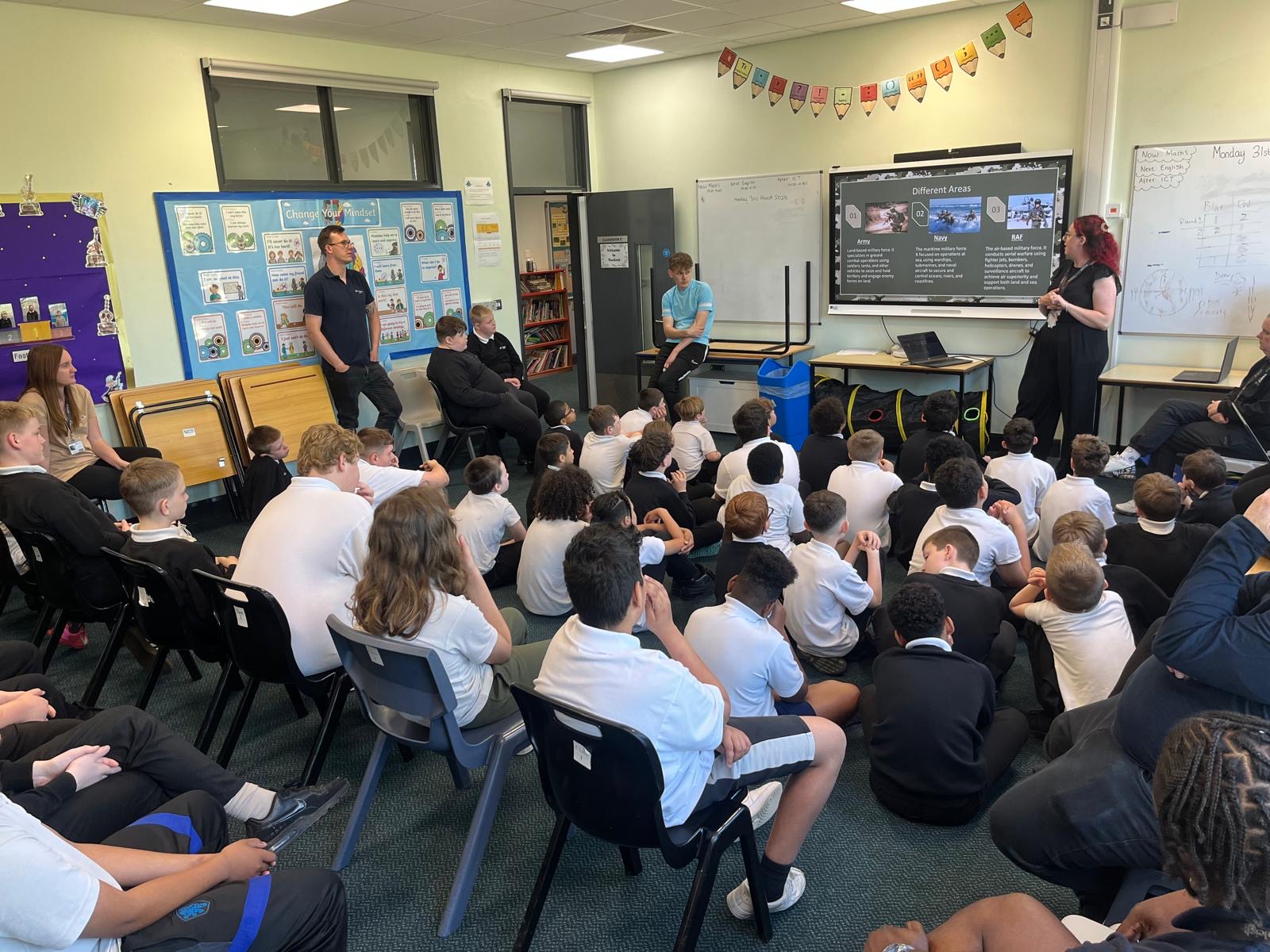
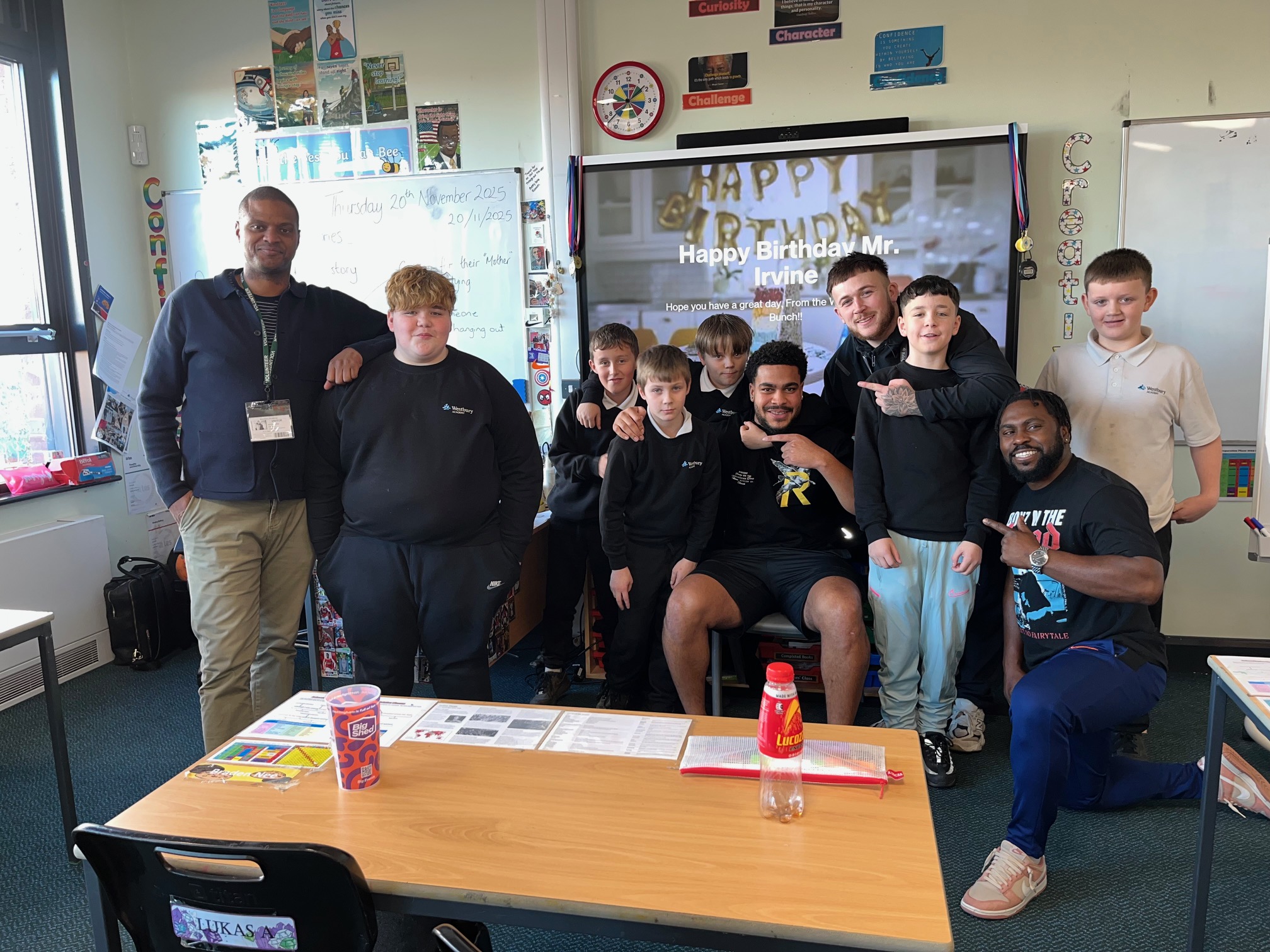
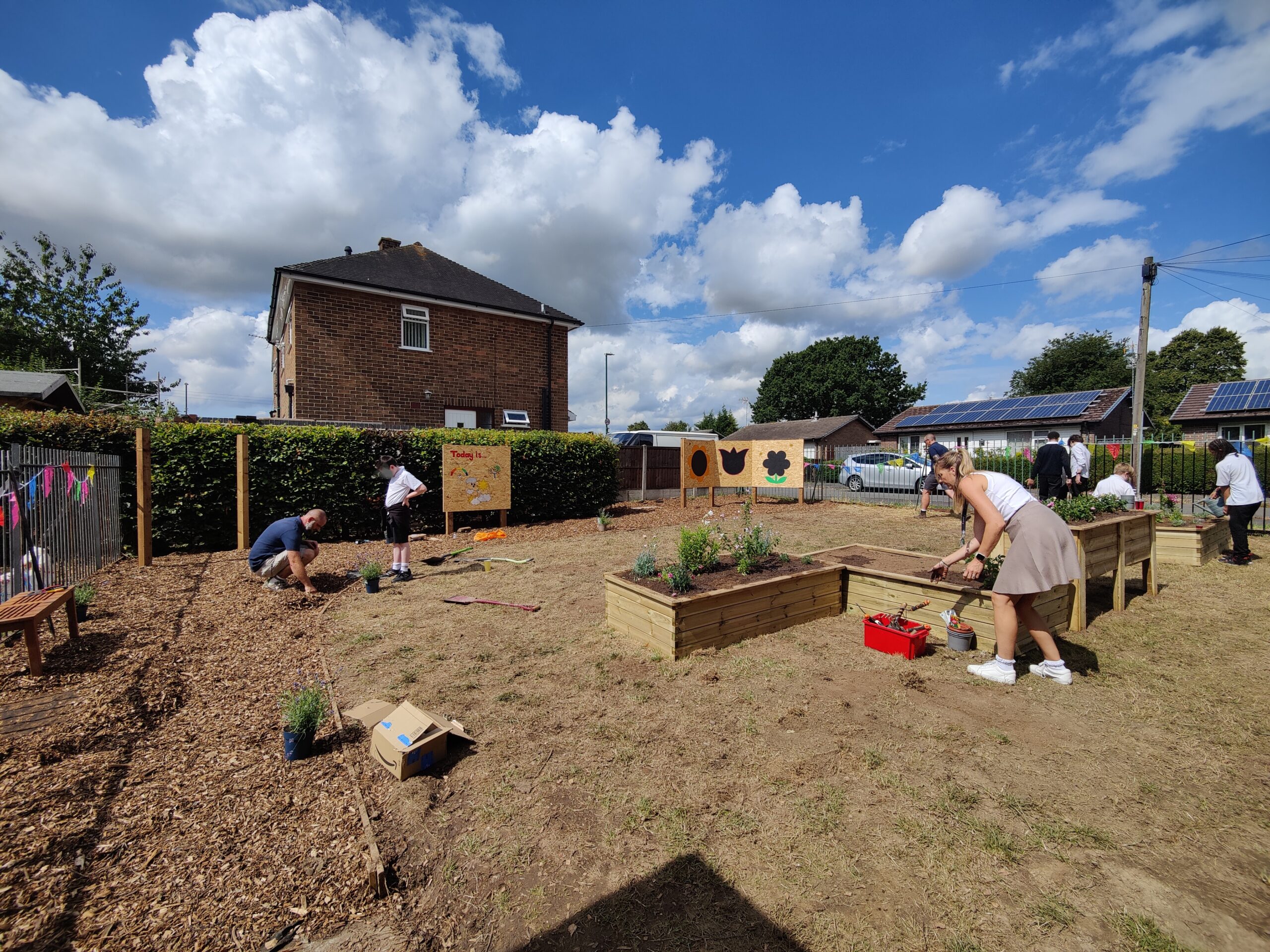

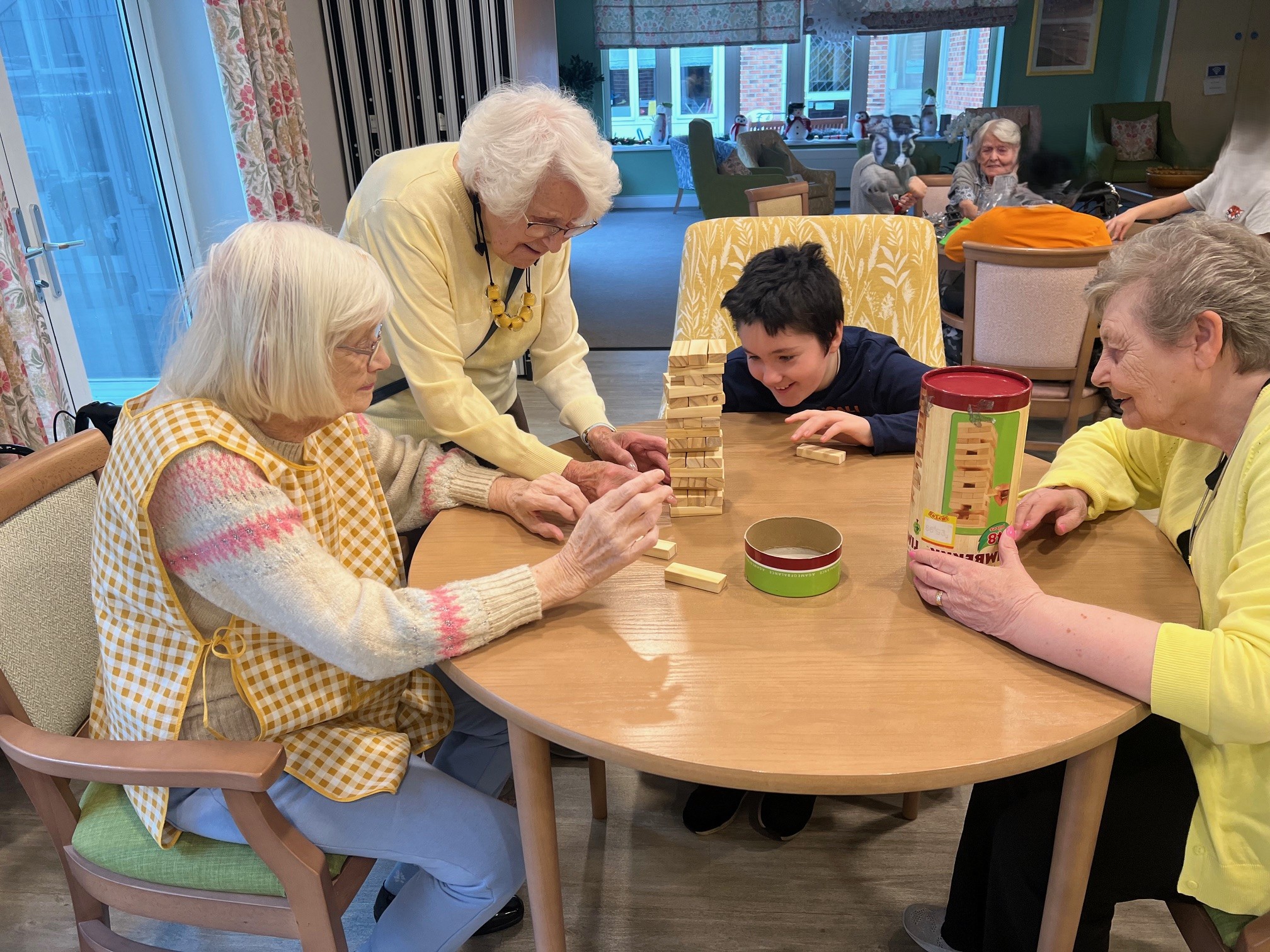
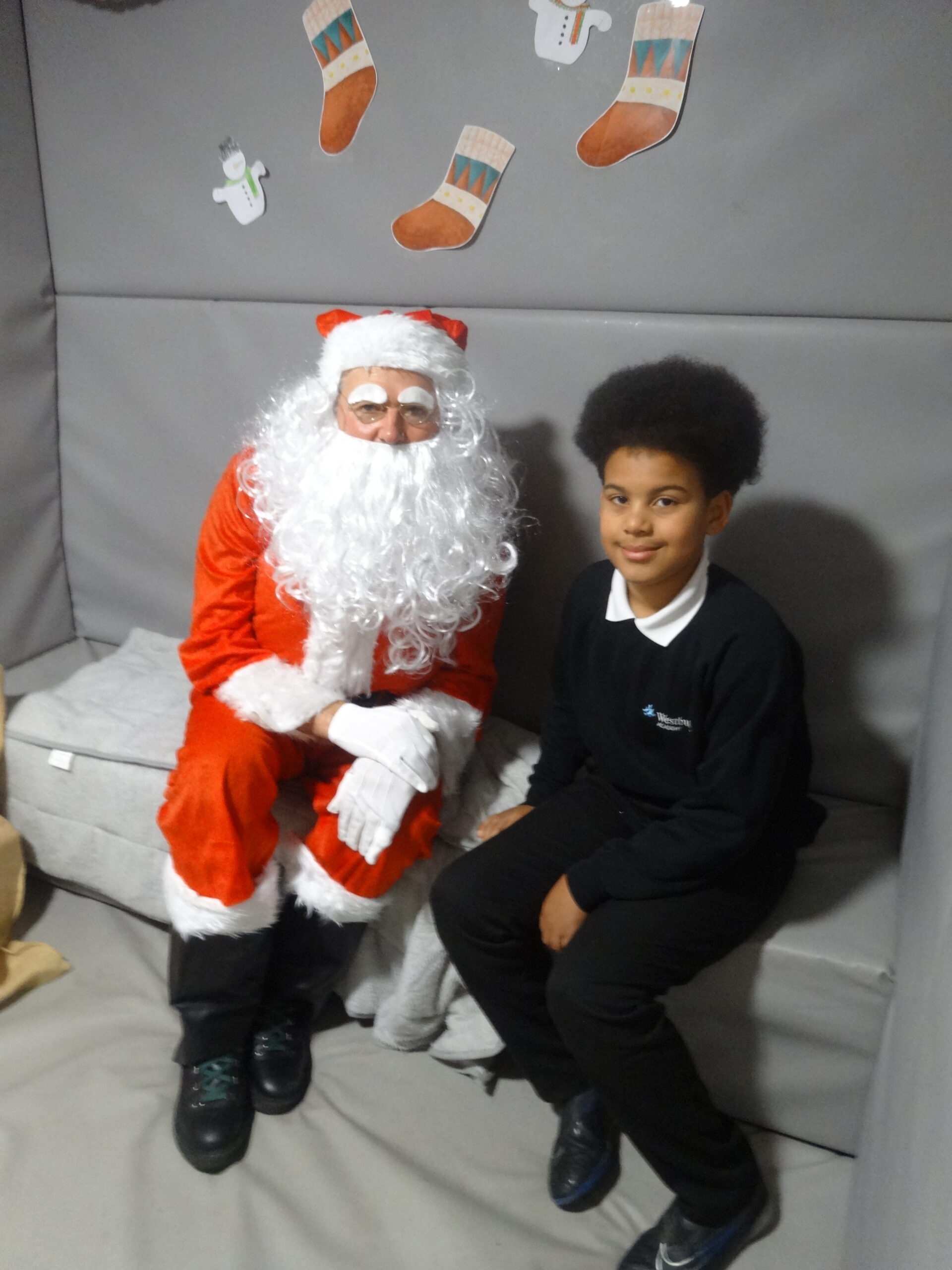
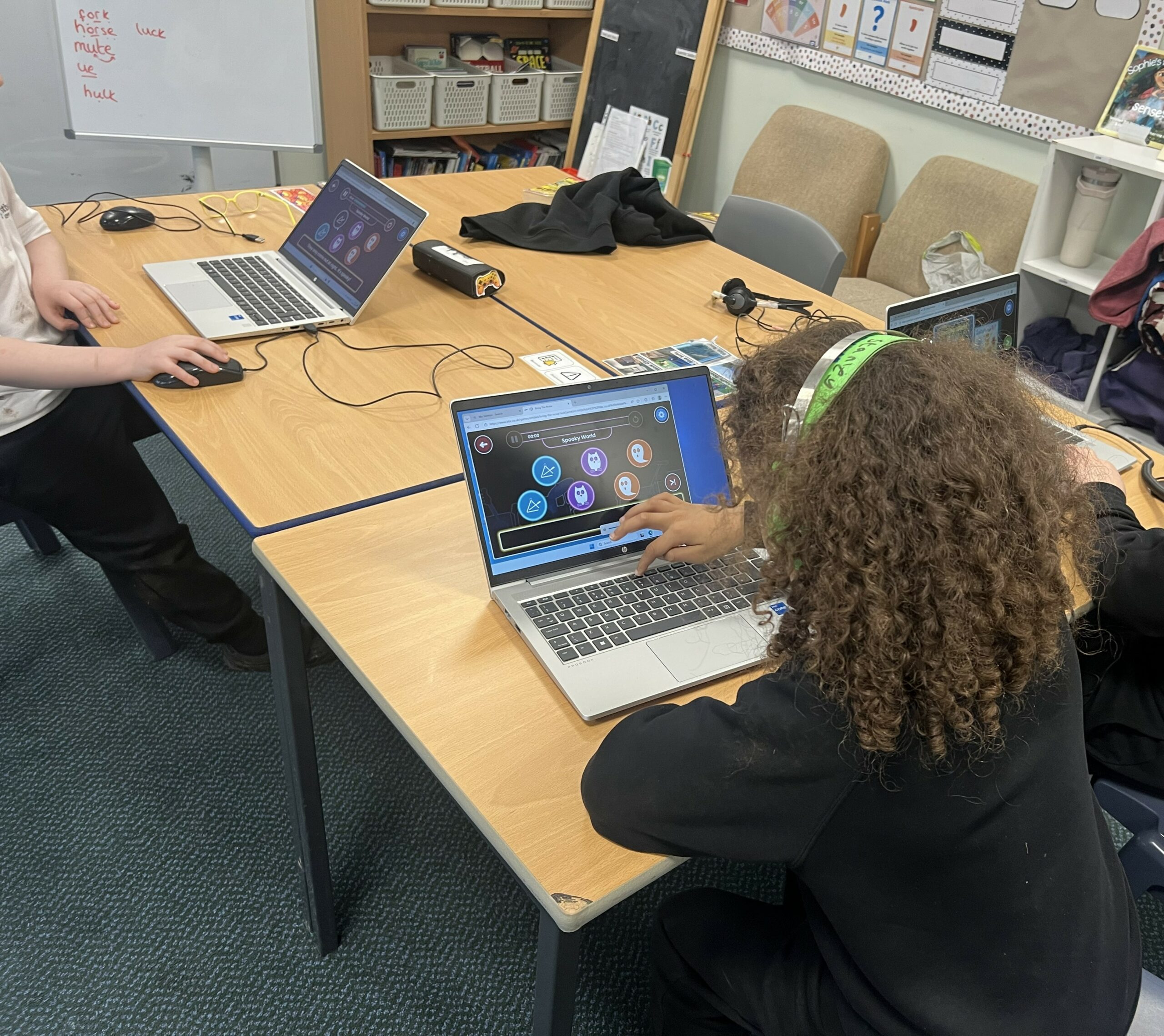
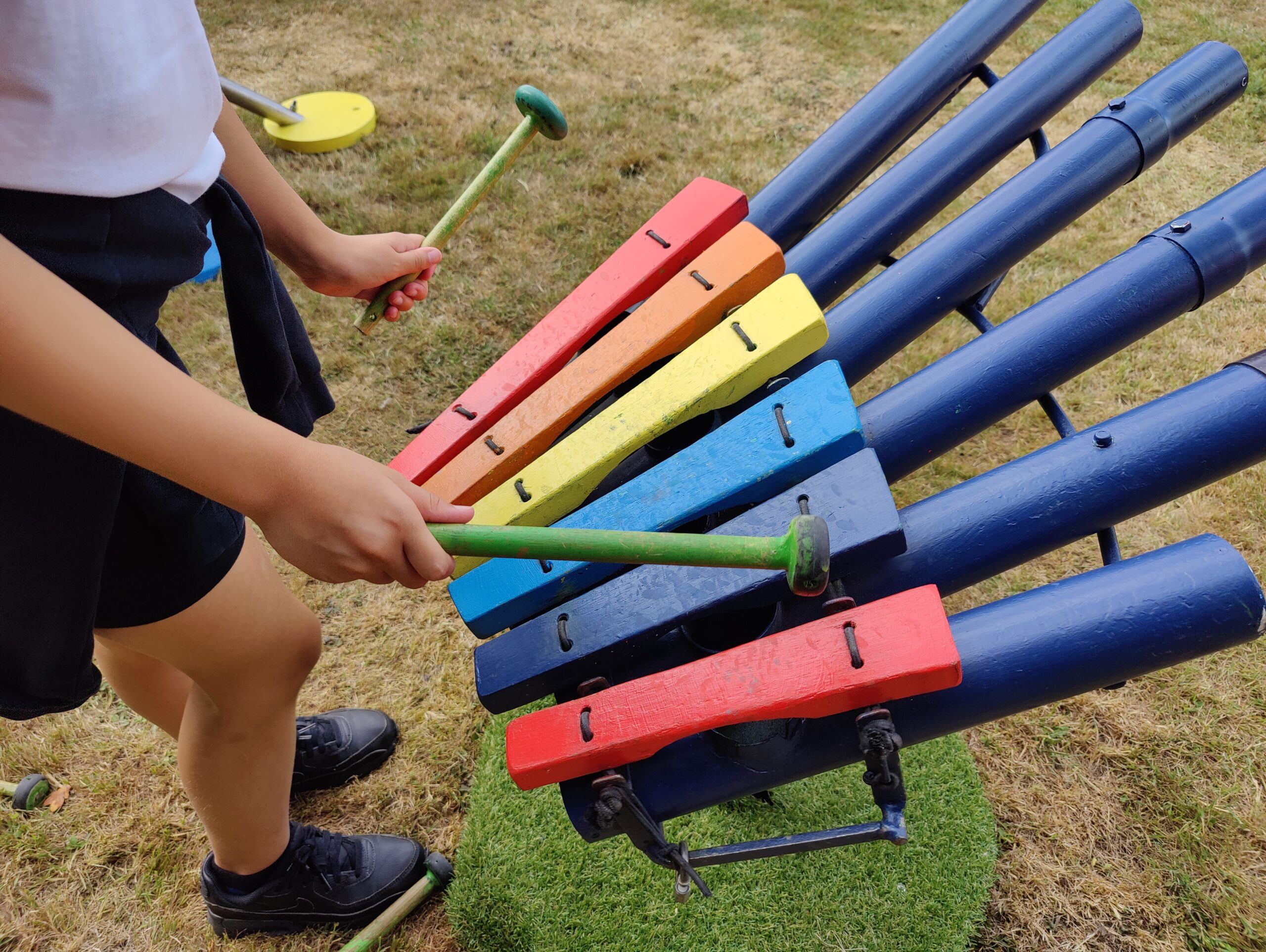
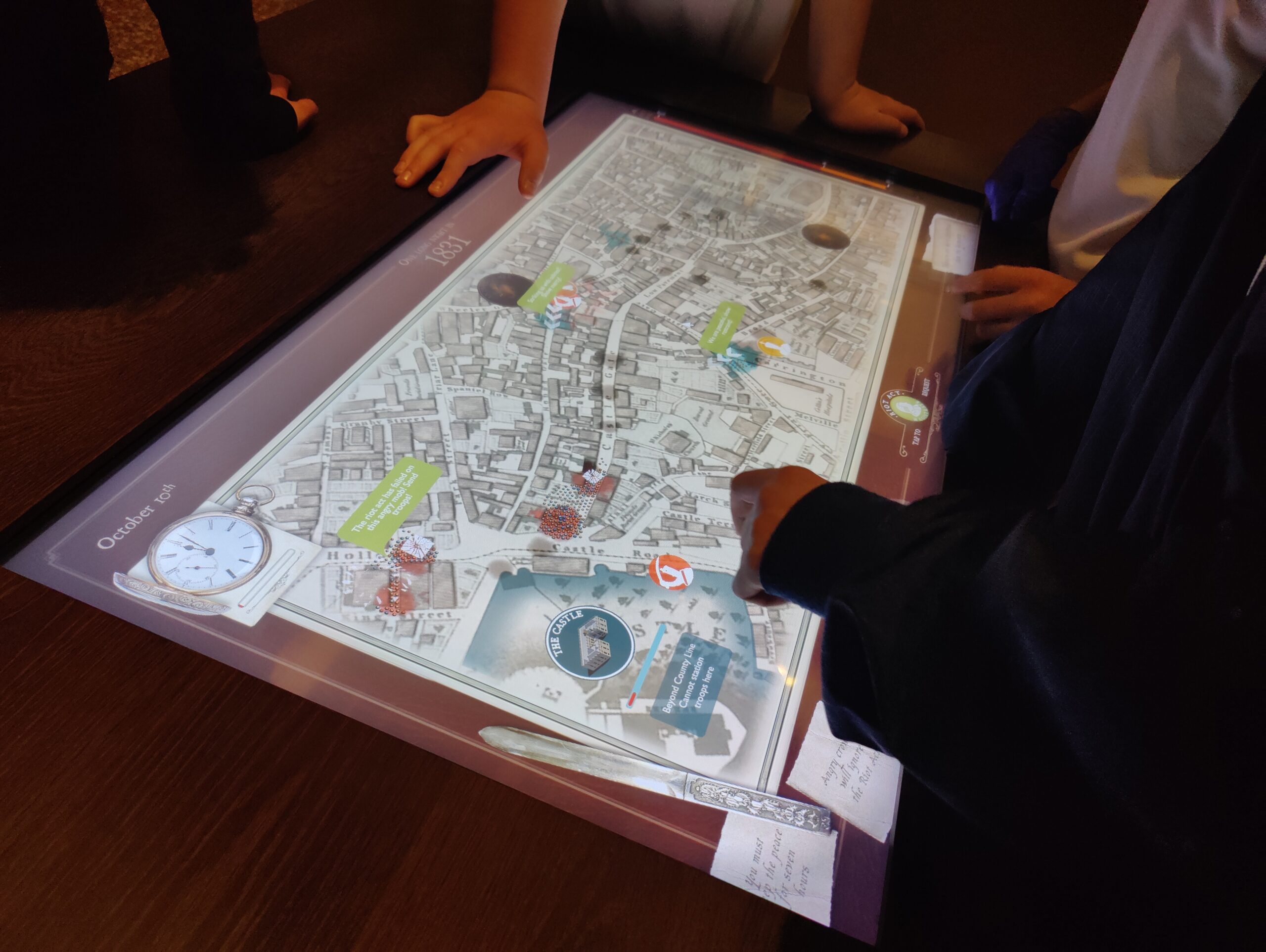


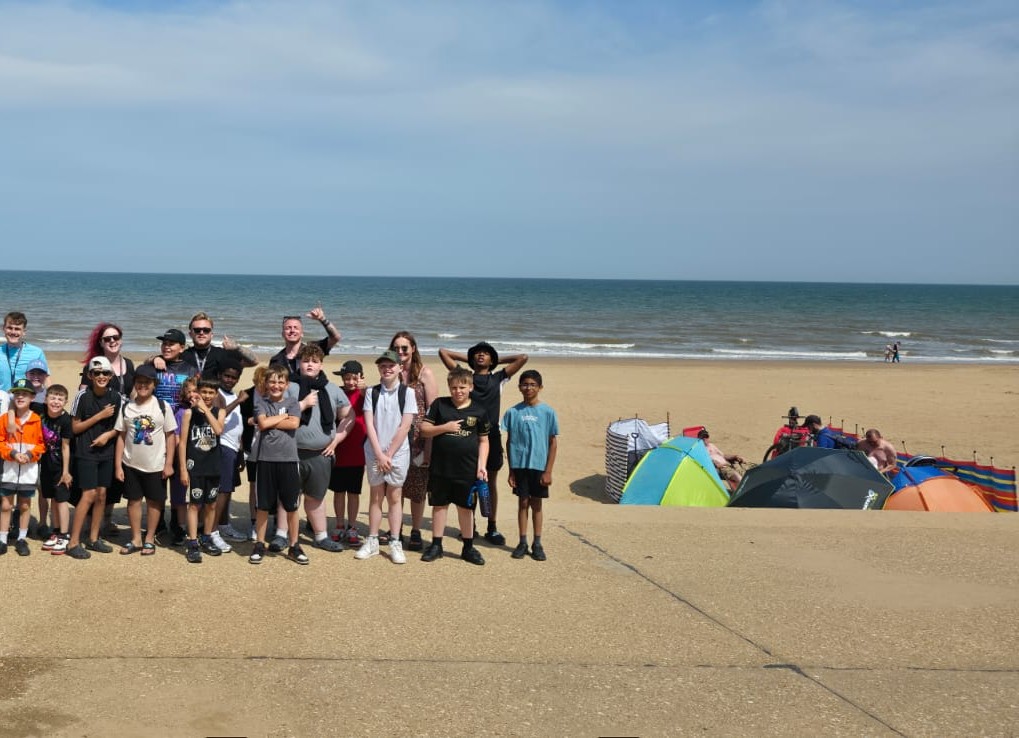

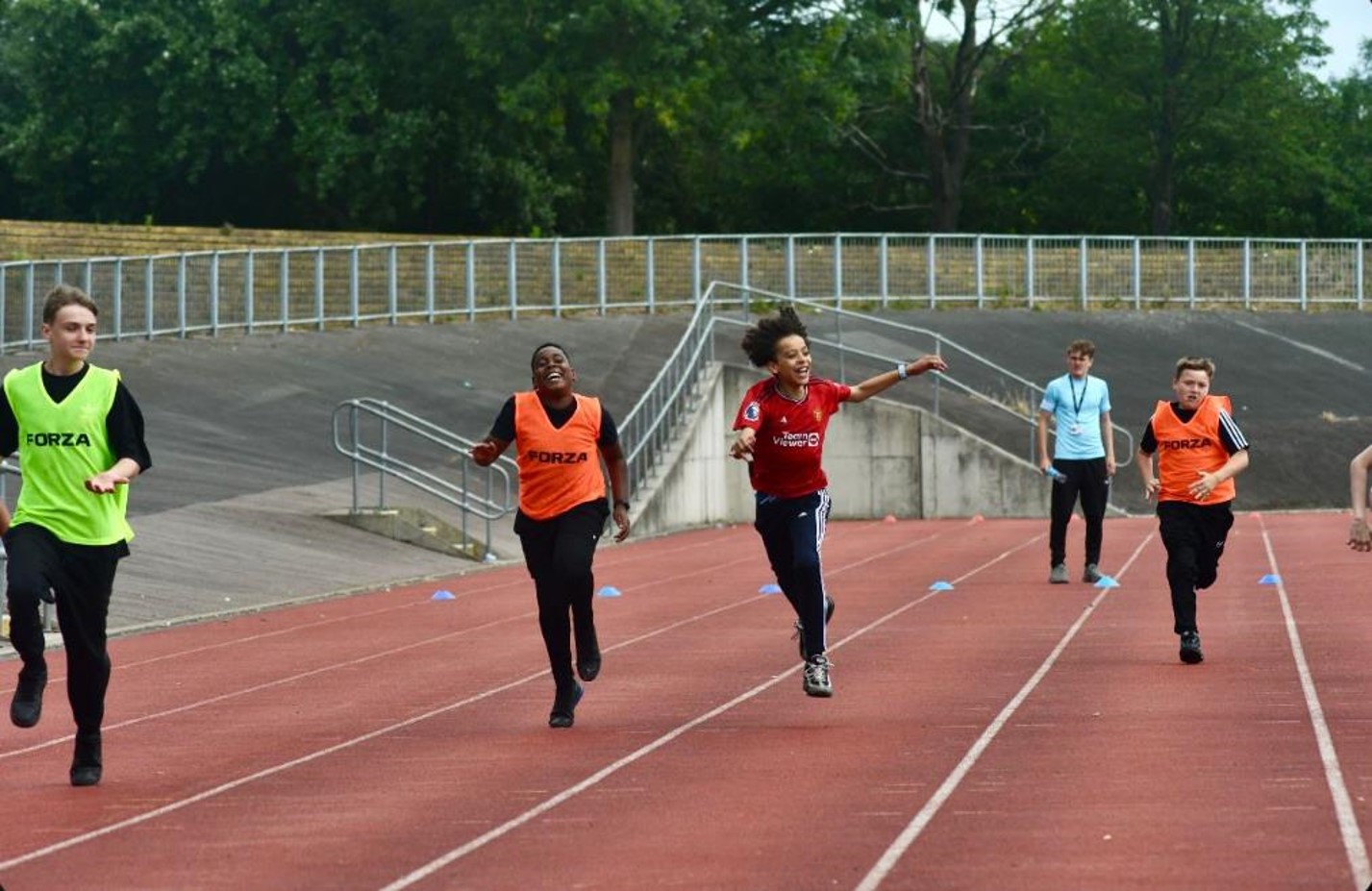
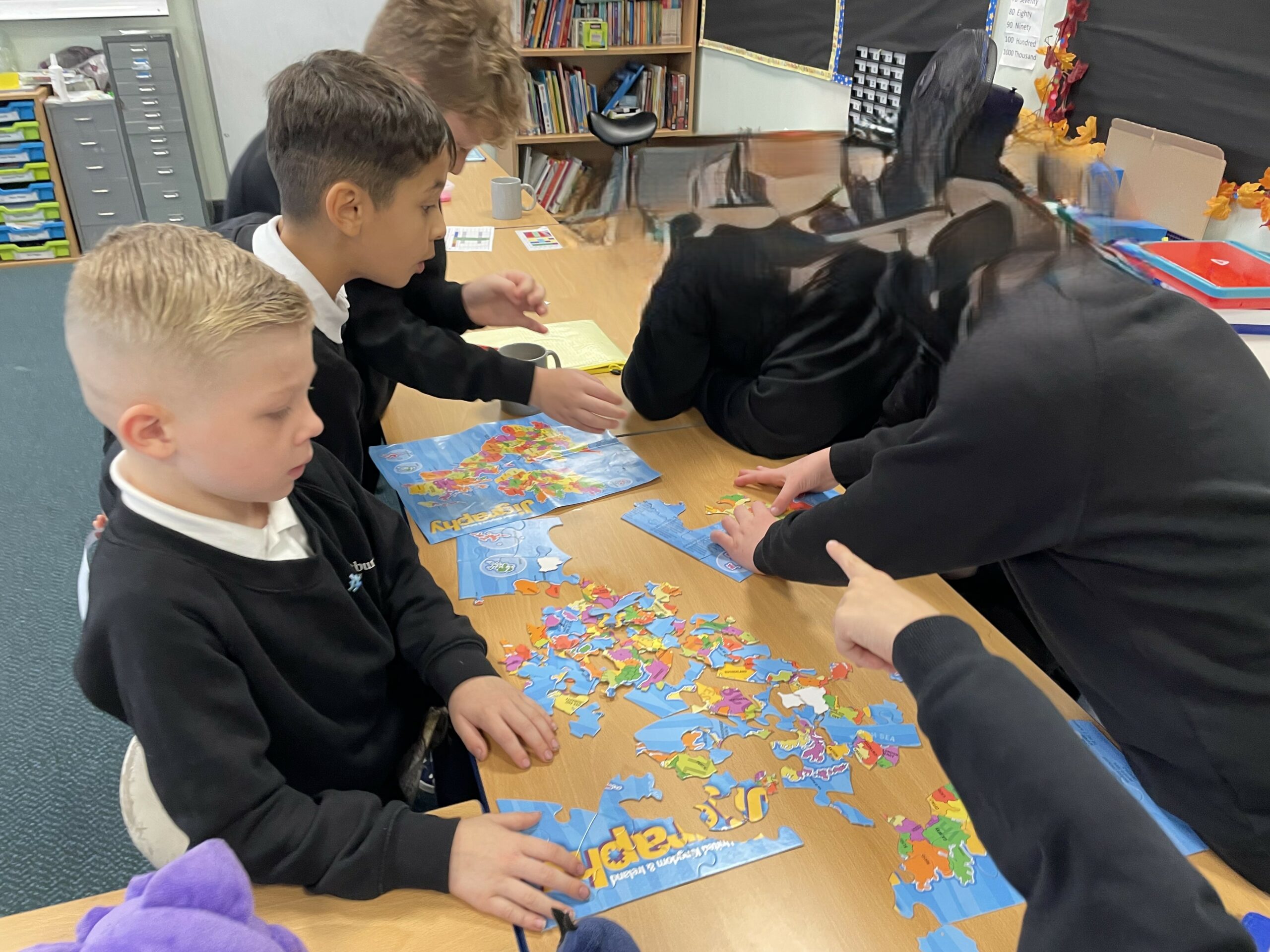
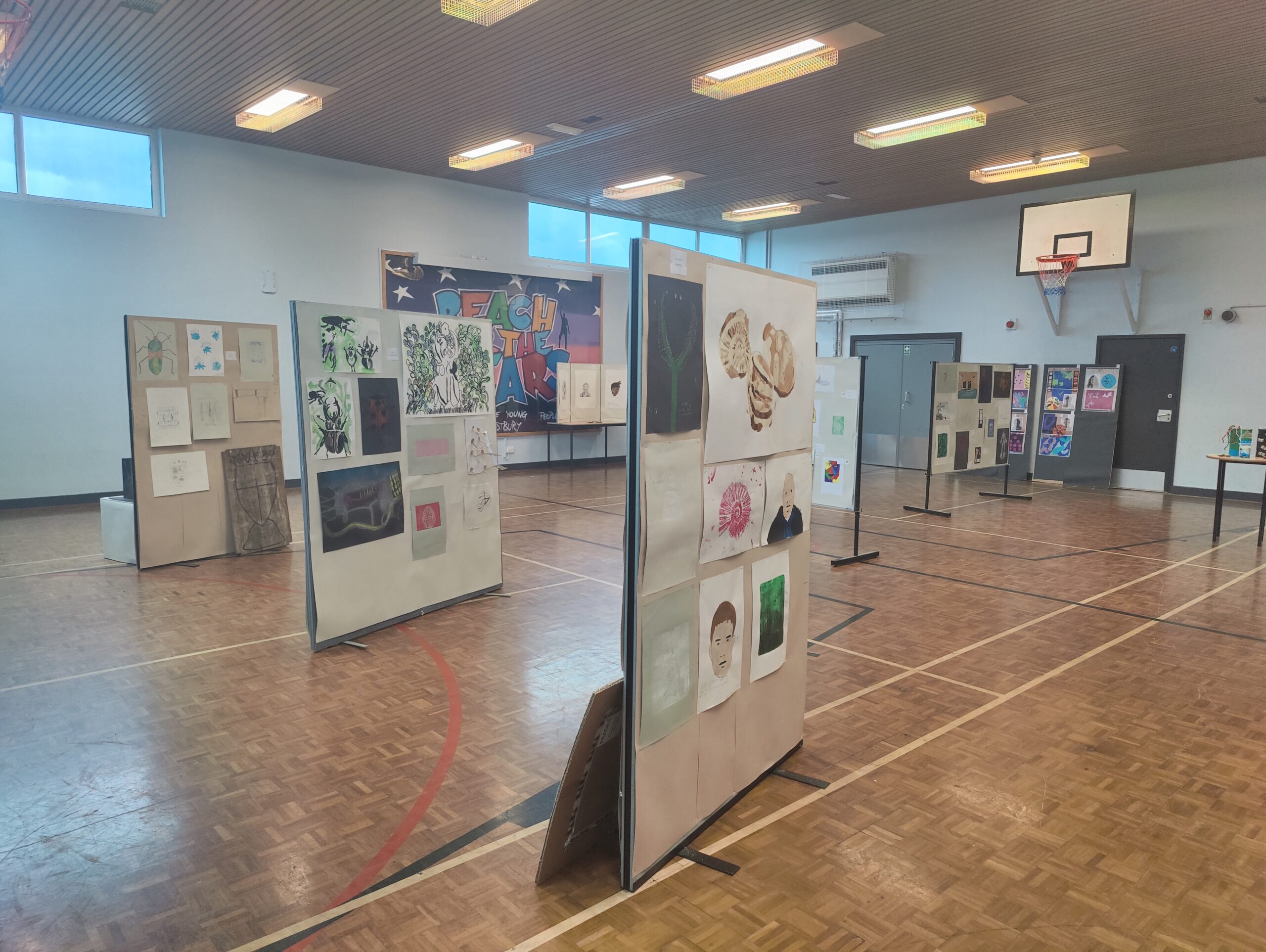


School Council
The purpose of Westbury’s School Council is to:
- Provide a voice for pupils at Westbury Academy.
- Help plan and deliver events and activities in and around the school.
- Represent the thoughts and opinions of pupils at the school around specific matters of school policy and curriculum.
- The school council aims to include at least one representative from each class group and representatives from each pathway.
- School councillors are selected on an annual basis through democratic elections in classes in a format appropriate to each group.
- During Summer Term 2025, The whole academy engaged in activities including campaigns and elections to select lead and vice representatives from each partner class to take part in pupil council for the academic year 2025-26.
- The school council supported recent teacher recruitment by devising questions and interviewing candidates.
- The school council shared their views on plans for ordering outdoor Physical Activity equipment, through school council meetings which were attended by the school Principal, Director of Curriculum and Assessment, and Trust CEO.
Leads: Laura Jayne-Whitehead, Charlotte Timpson, Gareth Westray
- 8 pupil councillors from classes 1-8 and one special rep from class 8.
- 15 lead pupil councillor representatives from each class attend each meeting
- Following Educational Visits pupils complete a Personal Development Evaluation, where they discuss what activities they took part in, how this will lead into future learning, their score for the visit out of 10 (enjoyment scale), and ‘What do we know no that we didn’t know before?’
- Floor books also include reference to pupil voice and reflection on learning in Personal Development, PSHE, and Careers Education.